Molecular mechanisms of intergenerational memory
The Marlin Lab examines the neurobiological relationships between Nature & Nurture
The Marlin Lab examines how organisms unlock innate behavior at the appropriate times (e.g., parental instinct), and how learned information is transmitted to subsequent generations via transgenerational epigenetic inheritance. Through uncovering the mechanisms by which learning and emotion in one generation are transmitted biologically, rather than culturally, our work has the potential to have a positive impact on societal health.

Parents promote survival
Parenthood induces a host of changes in the brain to promote the survival of offspring. Some alterations are new, while others unmask latent or "turned off" behaviors that exist within us. The Marlin Lab investigates how sensory systems and emotional brain circuits are altered by parenthood and learned experiences, and how those alterations prepare offspring for survival.
The Marlin Lab is guided by a set of key principles:
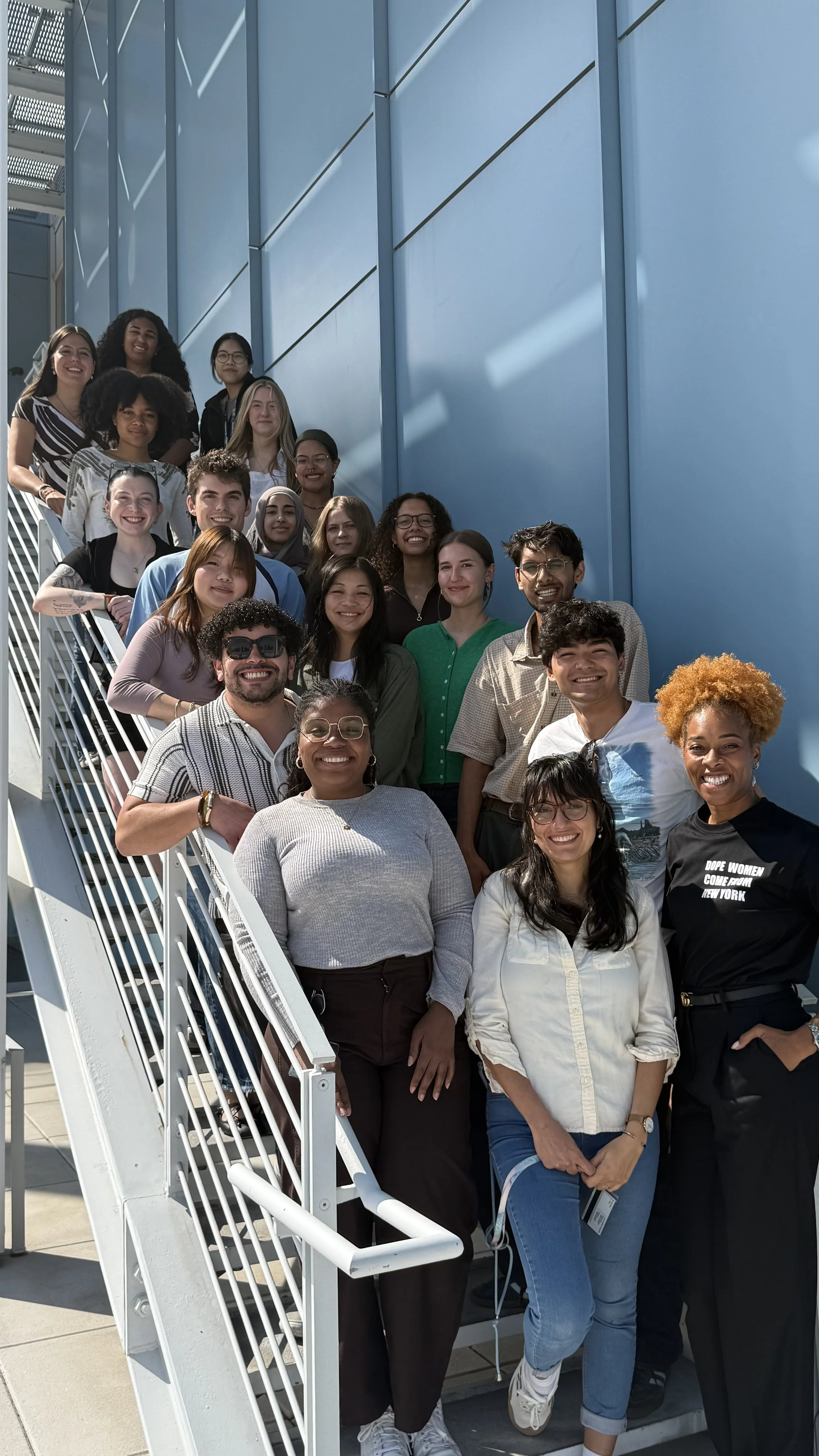
Science that is: radical and rigorous, ambitious and meticulous
Questions that point to the service of humanity
Inquiries that are elevated by personal perspectives
Scientific accessibility in the hopes of creating a more informed world

News

Scientists Discuss Epigenetics & Generational Trauma
StarTalk
September 2024

Bianca Jones Marlin on PBS NOVA's "Your Brain: Who's In Control?"
PBS NOVA
May 2023

The New Science of Motherhood
Smithsonian Magazine
May 2021